research
.position
.lab
.interests
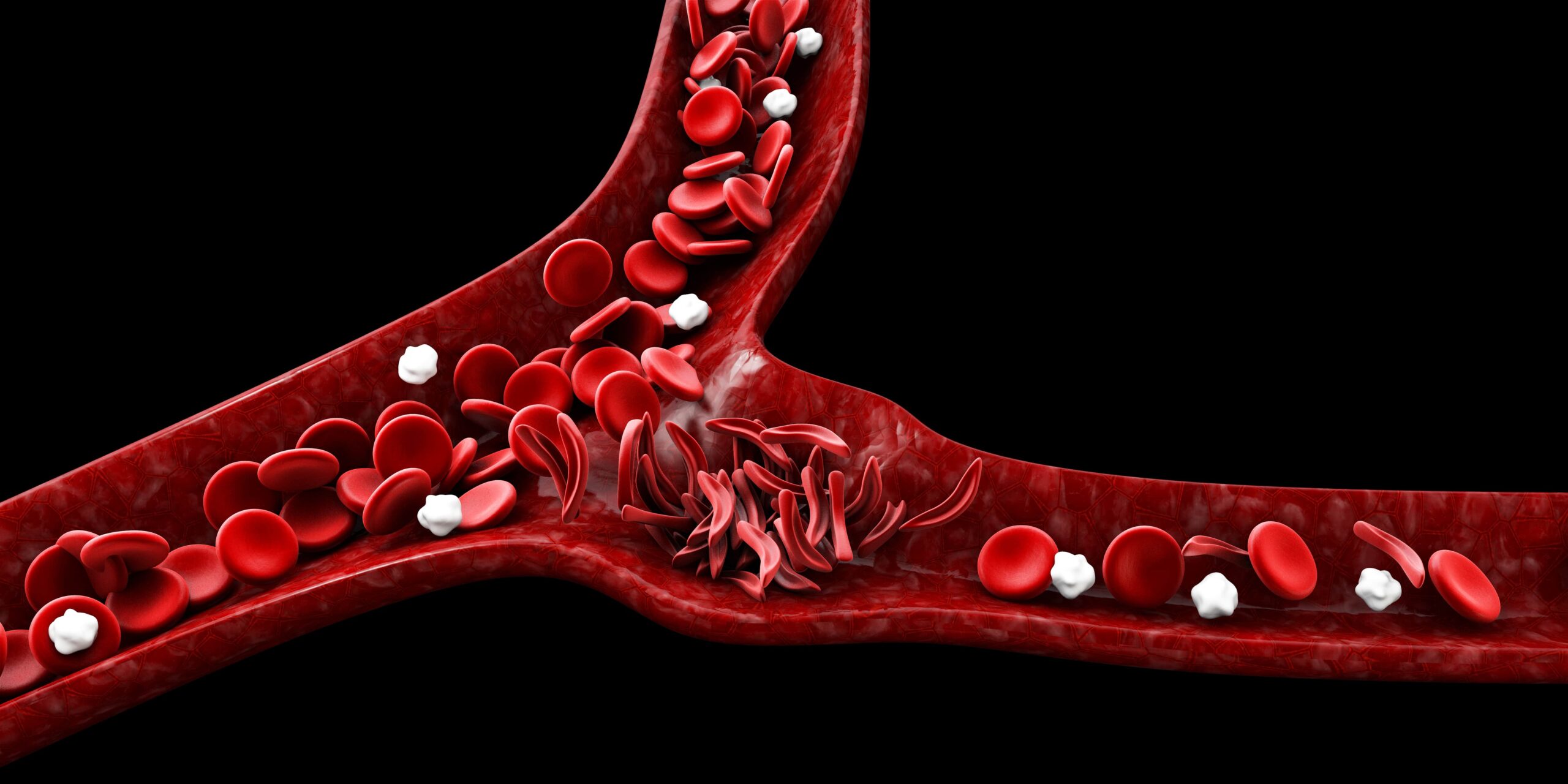
Brillouin Capillaroscopy
Sickle cell disease is one of many hematopathologies where stiffness changes in red blood cells leads to microvascular dysfunction and subsequent organ failure. We propose Brillouin spectroscopy for the in vivo mechanical phenotyping of red blood cells in the sublingual capillaries, whose superficiality makes them optically accessible.
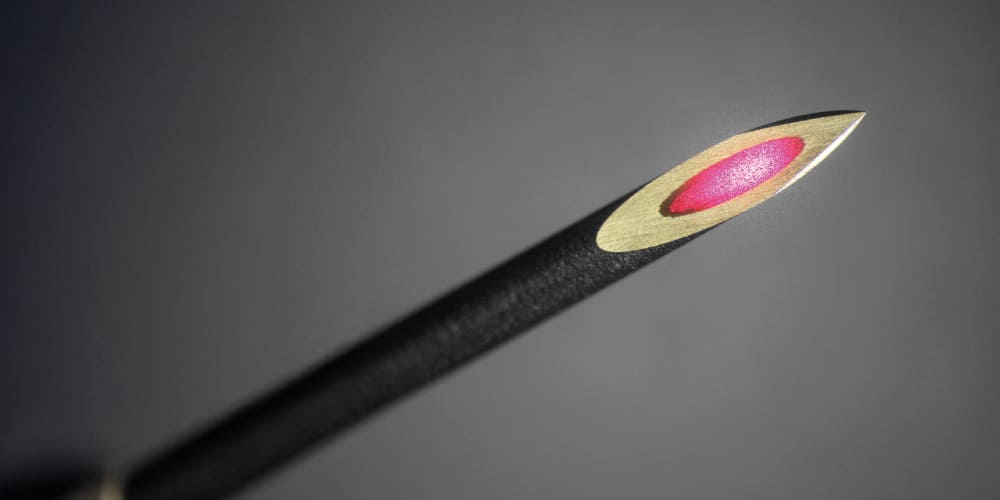
Brillouin Needle Steering
Robotically steered needle-based interventions are minimally invasive medical procedures that can be used for both diagnostics and therapies. Accurate needle positioning is hindered by a lack of patient-specific tissue-mechanics-aware models. We propose fiber-optic Brillouin spectroscopy embedded in the needle for online assessment of local tissue mechanical properties to inform steering control and improve accuracy.
> 1 award (NSF GRFP)



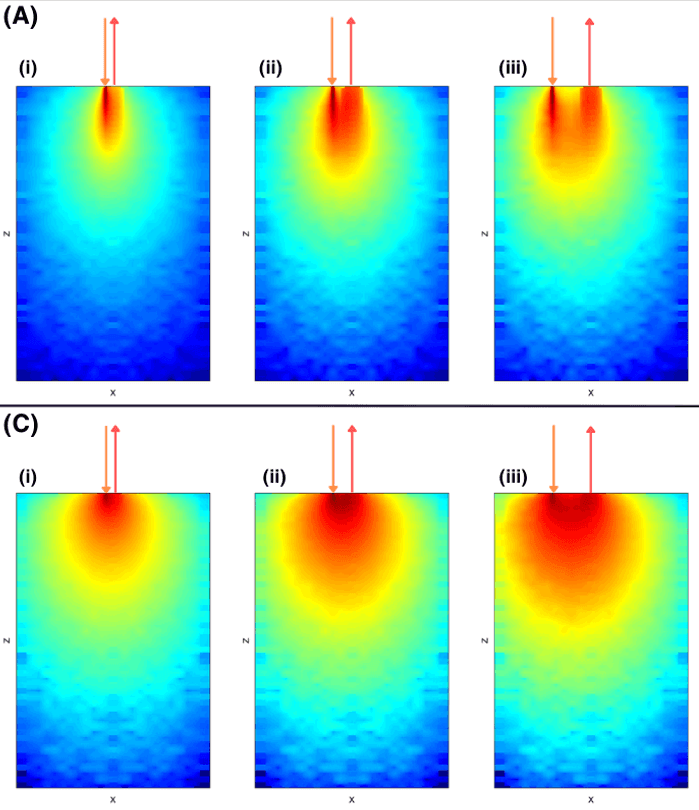
Monte Carlo Modeling of Spatially Offset Raman Spectroscopy (SORS)
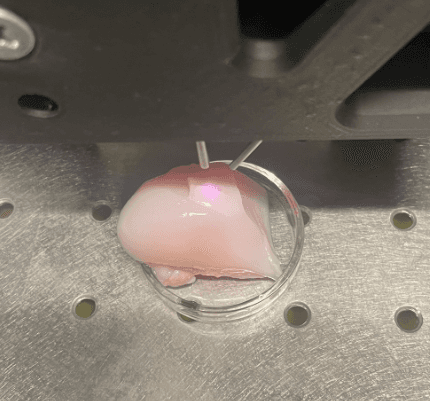
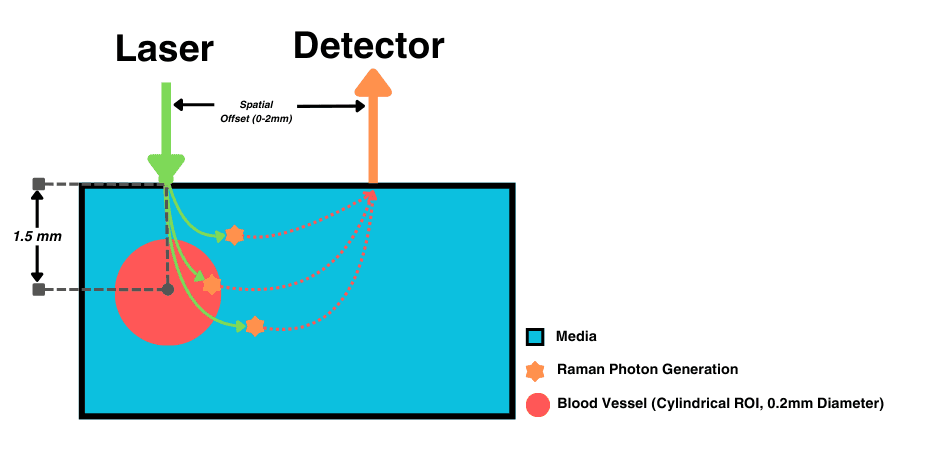
Monte Carlo simulations of photon transport allows for the characterization of SORS in diverse materials. We identified a scaling law that allows for universal closed-form models that predict Raman collection depths and optimal probe offsets, as well as the training of localization models in heterogeneous populations.
SORS is sensitive to the degradation of proteoglycans in osteoarthritic cartilage. We demonstrated the first-ever nondestructive, quantitative mapping of Young's and shear moduli as a function of depth in trypsin-treated bovine cartilage.
> 1 manuscript (under preparation)
Frequency-Resolved SORS for Noninvasive Blood Analysis
Our lab previously demonstrated frequency-resolved noninvasive Raman spectroscopy of blood in vivo. By extending the concept to SORS, we demonstrated in silico the noninvasive detection of malaria-infected flowing blood .
Quantitative Phase Imaging of Malaria-Carrying Mosquito Midguts
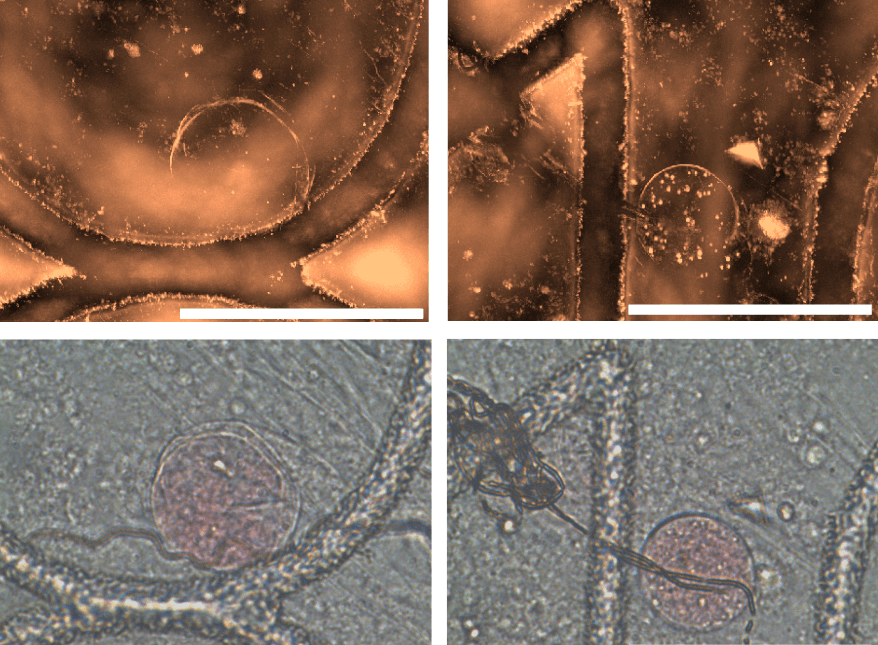
Quantitative phase imaging (QPI) enables the label-free visualization of Plasmodium (the parasite that causes malaria) oocytes in infected mosquito midguts. This method enhances malaria research, offering detailed, high-resolution, non-perturbative views of parasite development and offers an alternative to mercurochrome staining for vector surveillance.
> 1 poster (2025)



NMR and MALDI-MS Correlation Spectroscopy
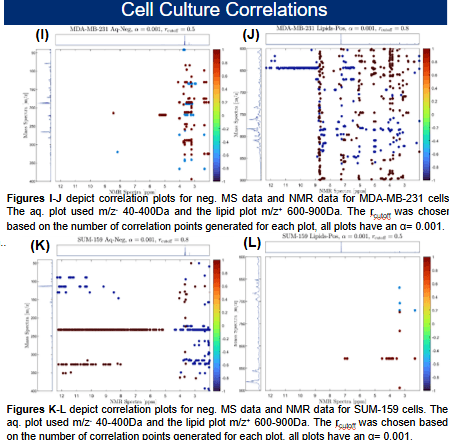
Statistical heterospectroscopy methods analyze correlations between NMR and MALDI-MS spectra in tumor models. This technique identifies lipid and metabolite interactions, aiding in cancer diagnostic advancements.
> 4 posters (2023-2025)
> 1 award (Pre-Clinical Poster Award)